

CSN 427 Auto Collision has been repairing collision damage in Etobicoke for more than fifty years. The shop at 395 Evans Avenue is family owned and operated, and it now holds 25 active manufacturer certifications, more than any other collision centre in North America. None of that arrived at once. It arrived one decision at a time, usually because the cars changed first and we had to keep up.
Fifty years is an odd number to sit with. Most of the people who bring us their vehicles weren't driving when this shop opened, and plenty weren't born. So it felt worth writing down how a neighbourhood body shop becomes a certified repair centre for everything from a Honda Civic to a Lamborghini, and why some of the stranger decisions, like building a separate shop just for trucks, turned out to be the right ones.
What keeps a body shop in business for fifty years?
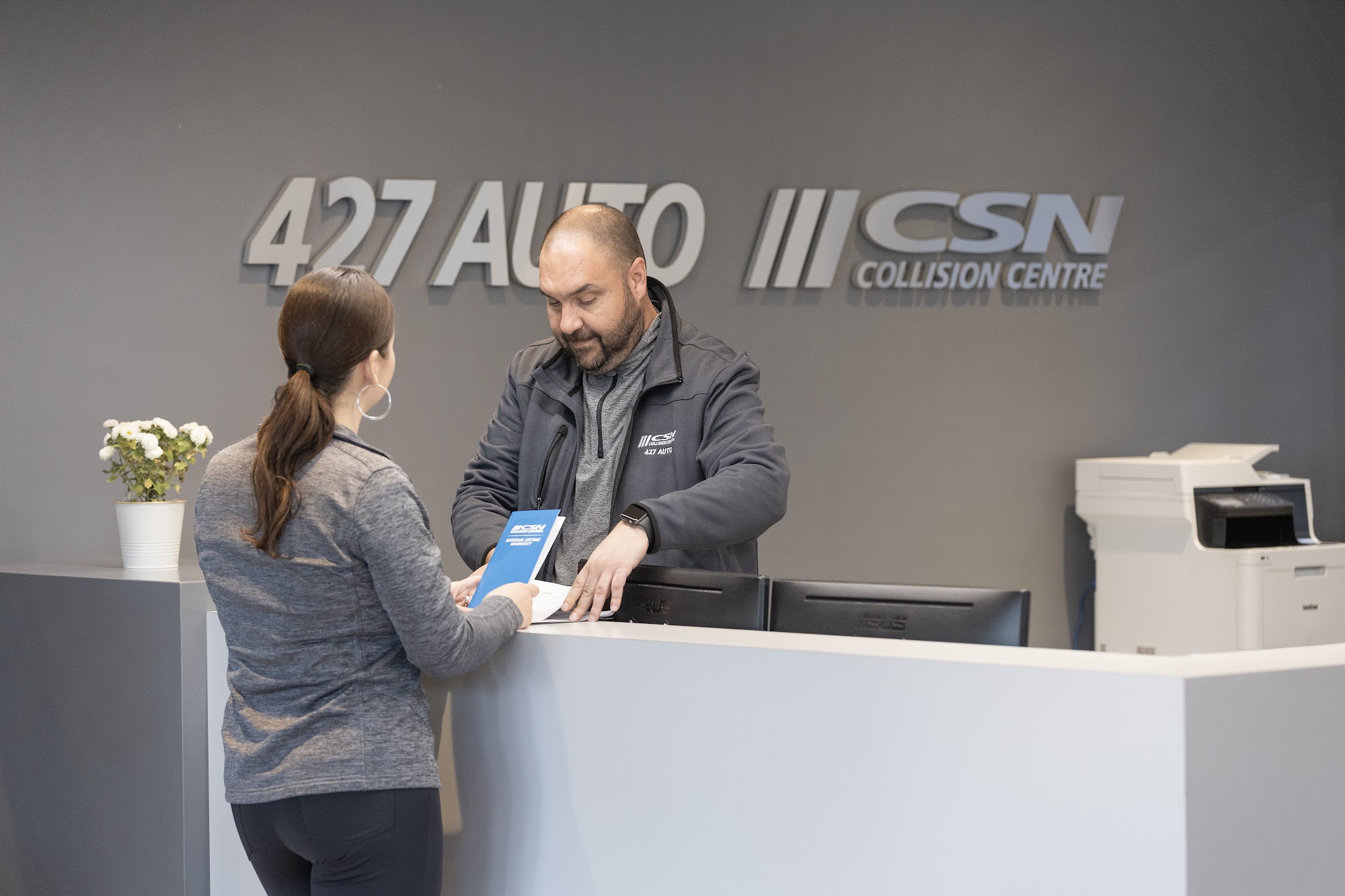
Repeat customers, mostly. Etobicoke has voted us its Readers' Choice winner eighteen times, and we've been named North American Body Shop of the Year three times. The trophies are nice. What sits behind them is people bringing their second car here, then their kid's first car, then telling the neighbour who clipped a pillar in the parking garage.
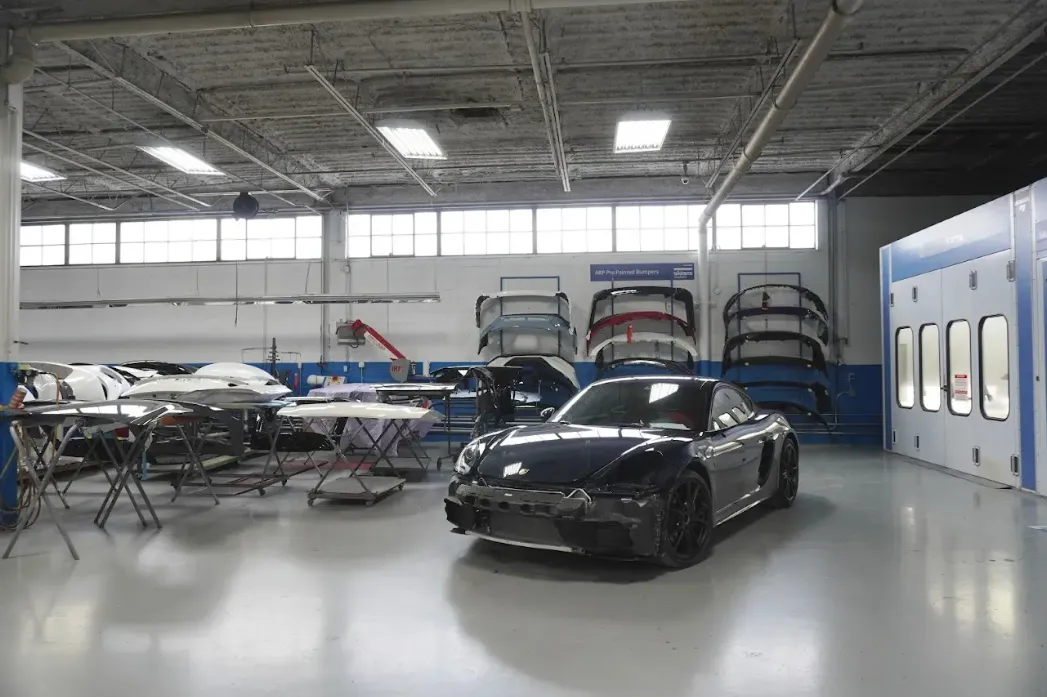
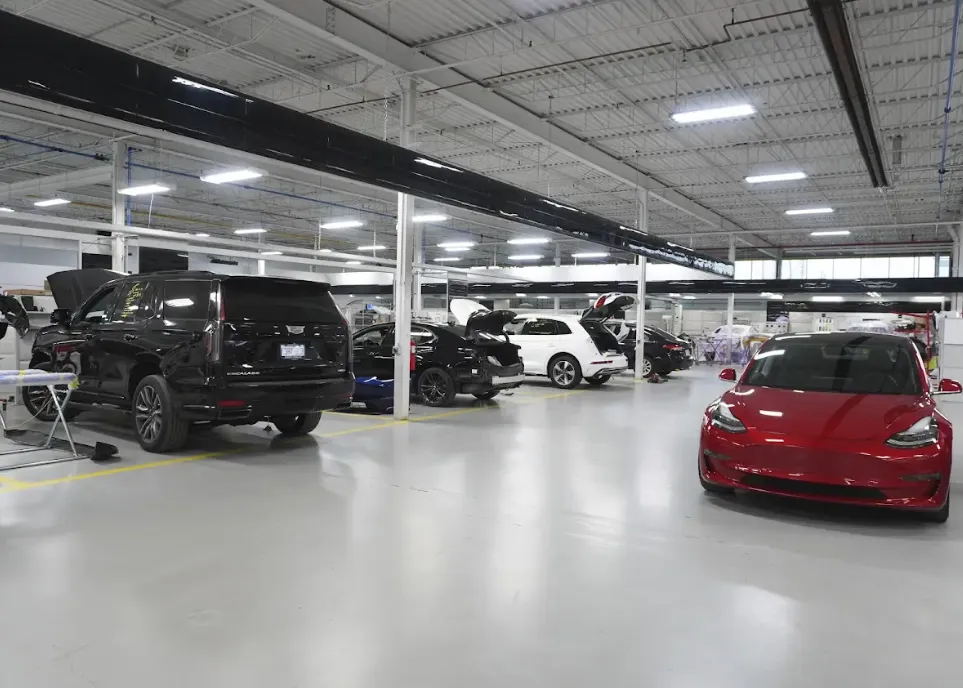
The less romantic answer is reinvestment. A body shop survives five decades by spending on itself before the trade forces it to: frame machines, spray booths, measuring systems, training hours nobody sees. Family ownership makes that possible, because a family thinks in decades. You can buy equipment that won't pay for itself for years when you plan to still be standing here when it does. All of it added up to the 100,000 square foot repair centre we run today, which you can see for yourself on our facility page.
How did the work itself change?
When this shop opened, collision repair was metal work. A skilled hand with a hammer and dolly could work a steel fender back into shape, skim it, and respray it, and the steel forgave you. It could be heated, pulled and persuaded.
Very little of that survives. Modern vehicles use high-strength steels that lose their engineered properties if they're heated or straightened the wrong way, so structural repairs now follow documented factory procedures instead of feel. Aluminum behaves nothing like steel, which is why our technicians train specifically on aluminum and high-strength steel, and why the facility keeps a self-contained area for aluminum repair and carbon fibre replacement, separate from the steel side. Then the electronics arrived. Bumpers carry radar now, windshields carry cameras, and we run six different scanning systems for diagnostics and calibration because a repair isn't done until the vehicle's own computers agree that it is.
Paint changed too. Colour used to be matched by eye under good light; today an AkzoNobel Automatchic tool reads the finish digitally before our painters blend it. And electric vehicles moved everything again, with high-voltage systems and battery handling rules that didn't exist when we started. We're certified for both Tesla and Rivian, and we've written before about handling and recycling EV batteries.
How did the certifications and partnerships come to be?
Out of necessity. Once repairs became procedure-driven, the only way to fix these vehicles correctly was direct access to factory repair methods, approved tooling and factory training, and certification is how a manufacturer grants that access. The factory also audits the shop to keep it; nothing on our wall is self-reported. In 2015 we became the first I-CAR Gold Class shop in Canada, and the manufacturer programs grew from there, one make at a time, from Honda, Toyota and Volkswagen through BMW, Mercedes-Benz and Porsche to Tesla, Rivian and Lamborghini. What a certified repair means for your specific car is a topic we've covered on its own in what manufacturer-certified really means.
The partnerships grew out of the same soil. A dealership needs somewhere to send a customer whose new car has been hit, and it can't risk a repair that falls short of factory standards. An insurer needs estimates that are accurate the first time and repairs that don't come back. Neither relationship can be applied for; it accumulates, estimate by estimate, over years of work. Today we coordinate directly with our dealership partners and insurance partners, which for you mostly means fewer phone calls, because the manufacturer, the dealer, the insurer and the shop are working from the same file.
Why build a separate shop just for trucks?
Because this part of the GTA runs on them. Contractors, couriers, delivery fleets, trades. When a work van is off the road, its owner loses money every day it sits, and that usually costs more than the repair itself. For years the awkward truth of our trade was that trucks don't fit car shops; standard booths and benches were never sized for a high-roof van or a medium-duty truck.
So we built for them. The main facility includes two custom-sized spray booths with extra height and length for trucks and light-duty vehicles, and we opened a dedicated 13,000 square foot truck repair shop with its own Symach equipment, set up to turn working vehicles around quickly. If you'd like the walkthrough, we've published one on the heavy truck and van repair facility.
Questions we hear a lot
Is CSN 427 Auto Collision still family owned?
Yes. The shop is family owned and operated, still repairing vehicles at 395 Evans Avenue in Etobicoke, with a second location, CSN Avenue, at 293 Macpherson Avenue for midtown Toronto.
Do you only repair luxury vehicles?
No. The certification list draws attention for names like Porsche and Lamborghini, but it also covers Honda, Acura, Toyota, Volkswagen, Volvo and the Ford F-150. A Civic goes through the same factory procedures, approved tooling and final inspection as a 911 does.
The trade will keep changing, and the next fifty years will demand equipment and training we can't picture yet, the same way radar in a bumper would have sounded far-fetched to anyone holding a hammer and dolly in the seventies. If your vehicle needs collision work today, book your estimate online or call 416-259-6344 and we'll get you scheduled.