

The evolution of transportation has seen a surge in the use of commercial vans and mid‑sized trucks for delivery services, trades, mobile businesses and personal use. While passenger vehicles dominate roads numerically, commercial vans and trucks represent the lifeblood of many industries. These vehicles often travel long distances, carry heavy loads and experience wear and tear that smaller vehicles do not. When they suffer collision damage, the stakes are high: downtime directly affects revenue, customer commitments and sometimes community services. A heavy‑truck and van repair facility must therefore be equipped not only with the right tools but also with specialised knowledge to handle the unique challenges of larger vehicles.
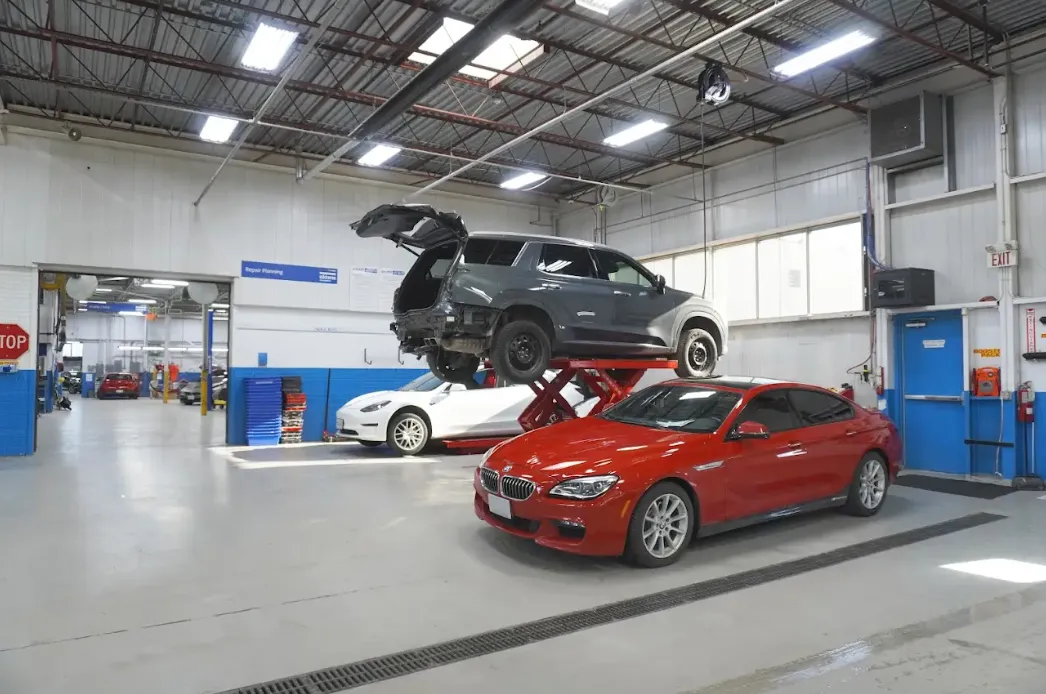
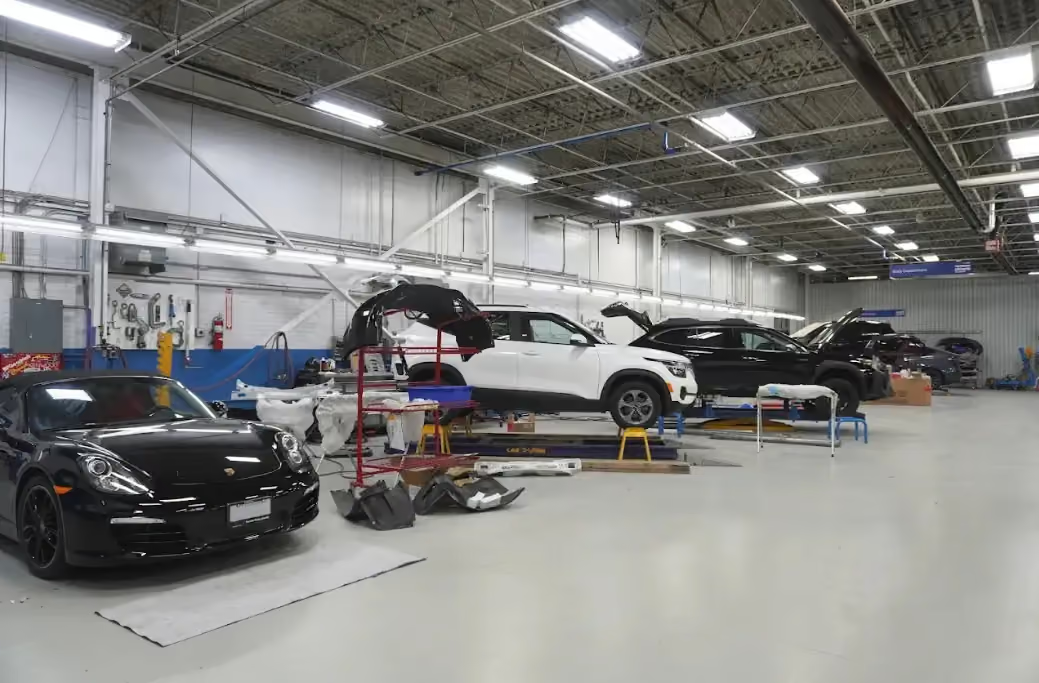
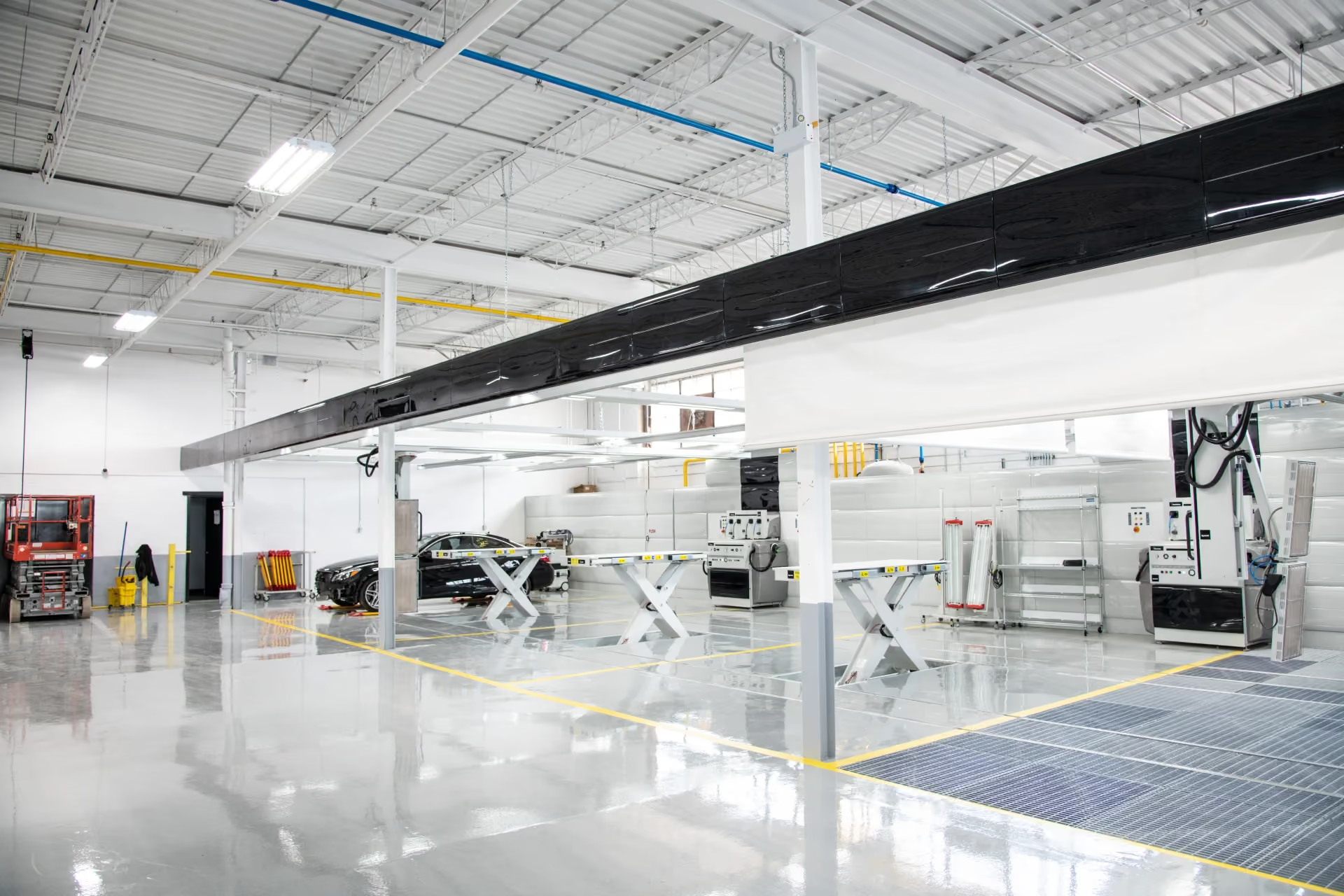
One of the fundamental differences between repairing a passenger car and a commercial van lies in size. Commercial vehicles are taller, longer and heavier. A Sprinter van, for example, may exceed ten feet in height, and extended versions can stretch over twenty feet. Repair shops designed primarily for sedans and small SUVs simply cannot accommodate the physical dimensions of such vehicles. A facility that invests in large‑format lifts, high‑capacity frame benches and extended paint booths can safely and efficiently handle vans and trucks. The ability to raise a vehicle to a comfortable working height is not just a convenience; it’s essential for inspecting and repairing undercarriage damage, which is common when a heavy vehicle encounters obstacles or curbs during an accident.
These vehicles often employ different construction methods from passenger cars. Many commercial vans use a unibody structure combined with reinforced subframes, while larger trucks may have a body‑on‑frame design. Understanding the nuances of each construction type is critical. For example, a body‑on‑frame vehicle allows for replacement of the entire body without touching the frame if the frame is intact, whereas a unibody van requires careful consideration of cut locations and welding procedures to maintain structural integrity. The materials used may also vary; high‑strength steels, aluminium panels and composite reinforcements are common. Each material demands specific repair techniques, from the heat management required when welding high‑strength steel to the separate tooling needed to work on aluminium to prevent contamination and galvanic corrosion.
Cargo area design adds another layer of complexity. Vans may include shelving, refrigeration units, custom flooring or partitions. After a collision, technicians must evaluate not only the outer shell but also the interior fittings. Damaged partitions may need to be removed and replaced, and built‑in systems like refrigeration units must be inspected for leaks or damage. Tradespeople often customise their vehicles extensively, adding racks for tools, plumbing lines or electrical wiring. A comprehensive repair requires coordination with the owner to ensure that these custom features are restored or replaced. In some cases, the facility may work with third‑party upfitters who specialise in commercial van modifications.
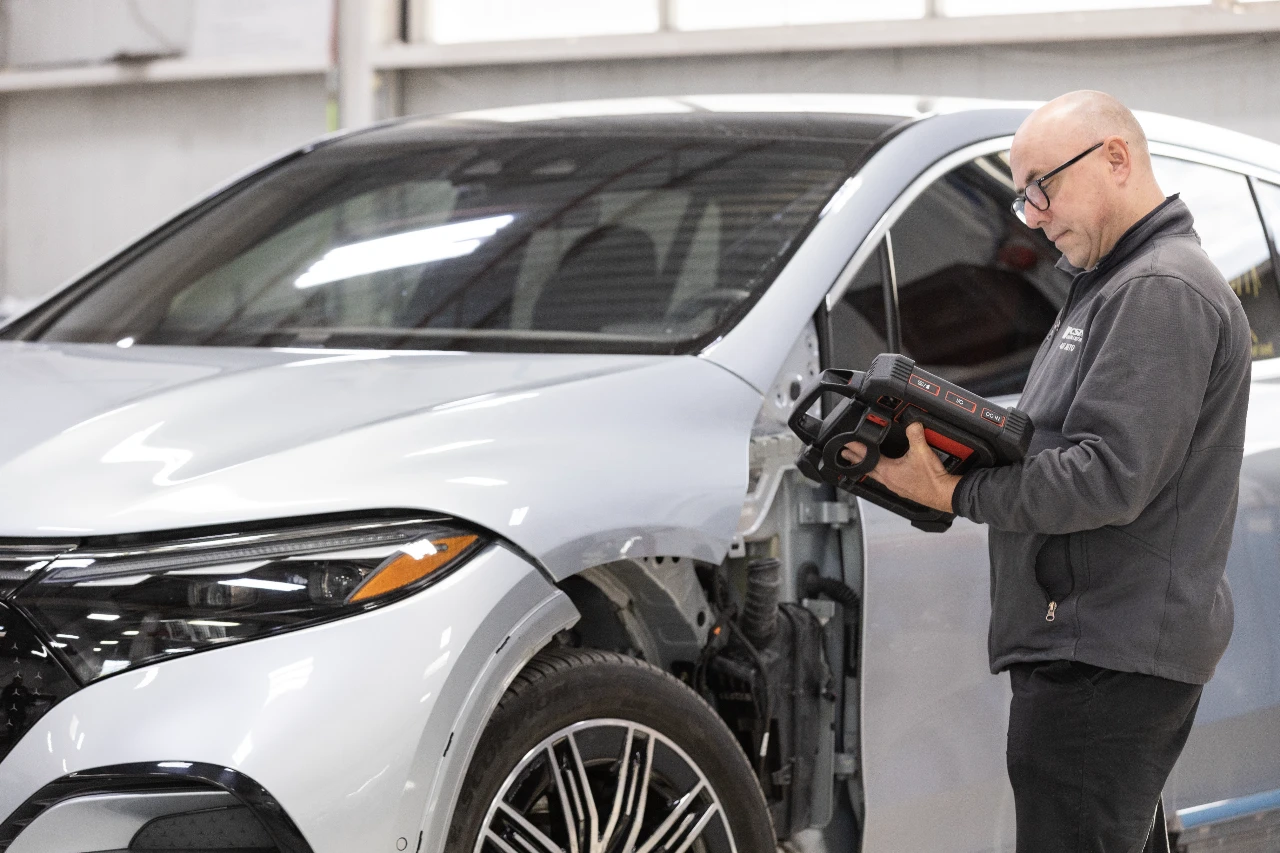
Electrical and electronic systems in commercial vehicles have become increasingly sophisticated. Modern vans may include navigation systems, telematics modules that monitor vehicle usage and route efficiency, and driver‑assistance features similar to those found in passenger cars. Cargo vans used for last‑mile delivery often rely on sensors to monitor door status and cargo security. After a collision, technicians must assess these systems and, where necessary, replace damaged components and re‑program the electronic control units. Telematics systems, in particular, may require coordination with fleet management services to ensure that the vehicle’s data is properly integrated back into the fleet’s tracking and maintenance systems.
Safety regulations and certifications are another consideration. In many regions, commercial vehicles undergo more frequent inspections than personal vehicles, especially if they carry hazardous materials or passengers. Repair facilities must be familiar with these regulations to ensure that repairs comply with safety standards. For instance, a van used to transport medical supplies must meet cleanliness and temperature‑control requirements that may not apply to a plumber’s van. Similarly, trucks that transport heavy equipment may require specific reinforcement or tie‑down points that meet industry standards. Facilities that keep abreast of these regulations and certifications can provide a high level of service and ensure that vehicles return to work without compliance issues.
Communication with owners and operators is critical in the repair process. Fleet managers, small business owners and individual drivers rely on their vehicles for livelihood. They need clear timelines, cost estimates and explanations of the repairs required. A repair facility that offers detailed repair plans, photographs of damage and progress updates can build trust and reduce the stress of downtime. Providing information on preventative maintenance and future care can also help owners avoid repeat damage and extend the life of their vehicles.
Training plays a pivotal role in servicing commercial vehicles. Technicians need to stay current with the latest repair techniques, equipment operation and safety procedures. As manufacturers introduce new materials and construction methods—such as bonded aluminium panels or composite roofs—repair methods evolve. Regular training ensures that technicians can identify the correct repair strategies, select appropriate parts and use specialized tools. Technicians must also understand the interplay between mechanical systems and the electronic control units that manage everything from engine performance to cargo climate control. Continued education ensures that a facility can confidently handle repairs across a broad range of commercial makes and models.
In essence, a heavy‑truck and van repair facility is an investment in capability and reliability. It signals to customers that the facility understands the stakes involved in commercial vehicle repair and has dedicated resources to meet the challenge. From the physical dimensions of the shop to the depth of technician training, each element is geared toward delivering safe, efficient and compliant repairs. As the demand for delivery services and mobile businesses continues to rise, facilities that cater to this sector will play a crucial role in keeping vehicles on the road and businesses running smoothly.