

The word "certified" shows up on a lot of shop signs, and it doesn't always mean the same thing. Sometimes it points to a technician who passed an industry exam. Sometimes it's a vague claim with nothing behind it. When a manufacturer certifies a collision centre for their vehicles, though, it means something specific, and on a late-model luxury car it's worth understanding before you decide where the work gets done.
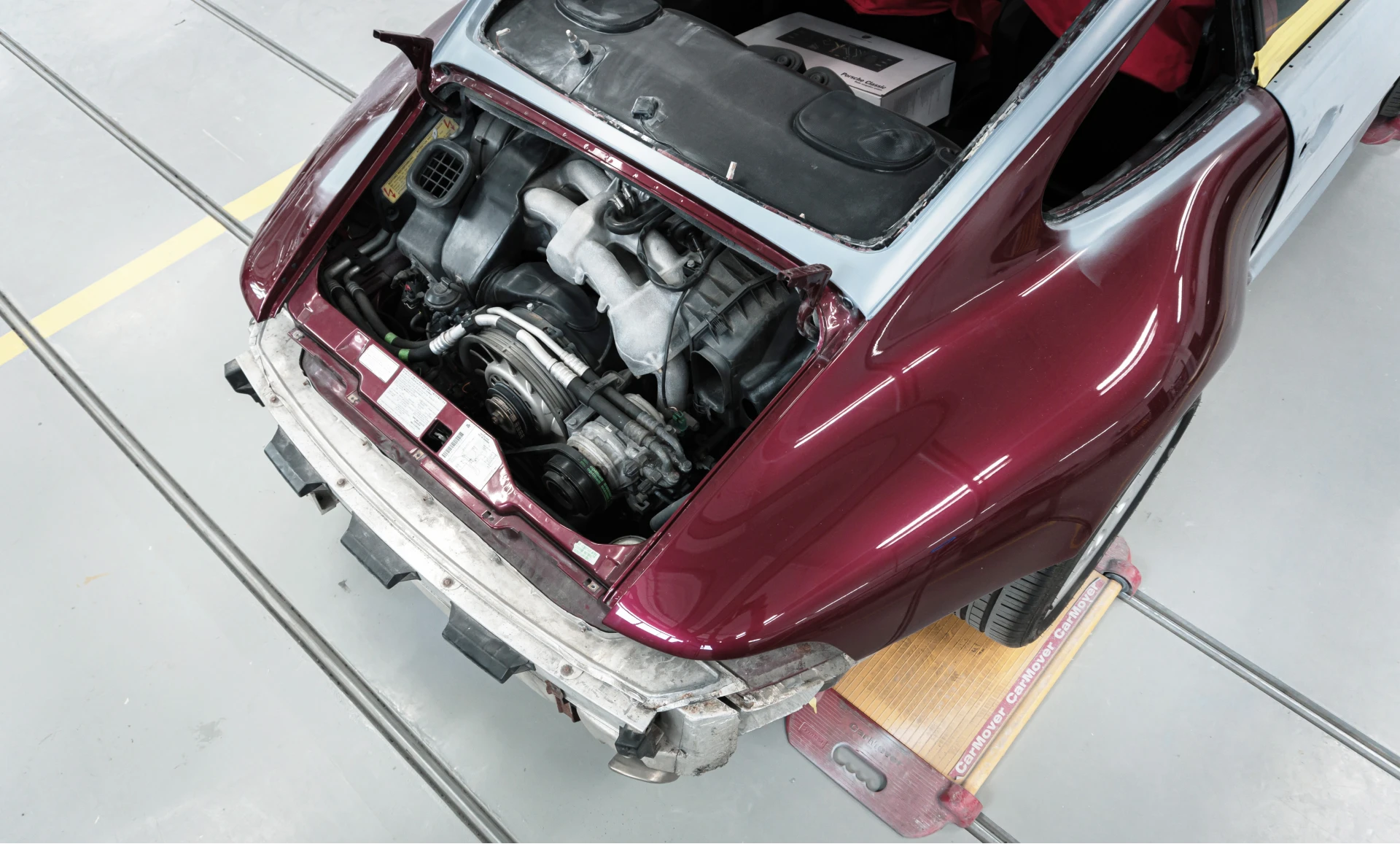
Manufacturer certification is a brand putting a shop through its own program. The shop has to send technicians for that automaker's training, buy the specific tools and equipment the brand requires, and follow the repair procedures the manufacturer publishes for each model. Those procedures are detailed and they change as the cars change. A shop without access to them is guessing at how the car was meant to go back together, and on modern vehicles the margin for guessing is thin.
Why a general shop can't always follow the same steps
A good general body shop can do solid work on a lot of cars. The gap shows up on vehicles built from aluminum, mixed materials, or high-strength steel, with bonded panels, structural adhesives, and safety systems that have to be handled a particular way. The manufacturer specifies which fasteners to use, how much heat a panel can take, when a part must be replaced rather than repaired, and what has to be recalibrated afterward. Without the training, the tooling, and the current procedures, a shop can make the car look right while missing something underneath. Our repair process is built around following those manufacturer steps rather than working around them.
The part that touches your warranty
This is where certification stops being abstract. Repairing a car outside the manufacturer's procedures, with the wrong parts or methods, can put your factory or structural warranty at risk. If a future problem traces back to a repair that wasn't done to spec, you can end up arguing about coverage at the worst time. A certified repair, done with the right parts and documented properly, keeps the car within the manufacturer's expectations and protects the warranty you paid for when you bought it. It also protects resale, because a properly certified repair history holds up when a buyer or a dealer looks closely.
How to check before you commit
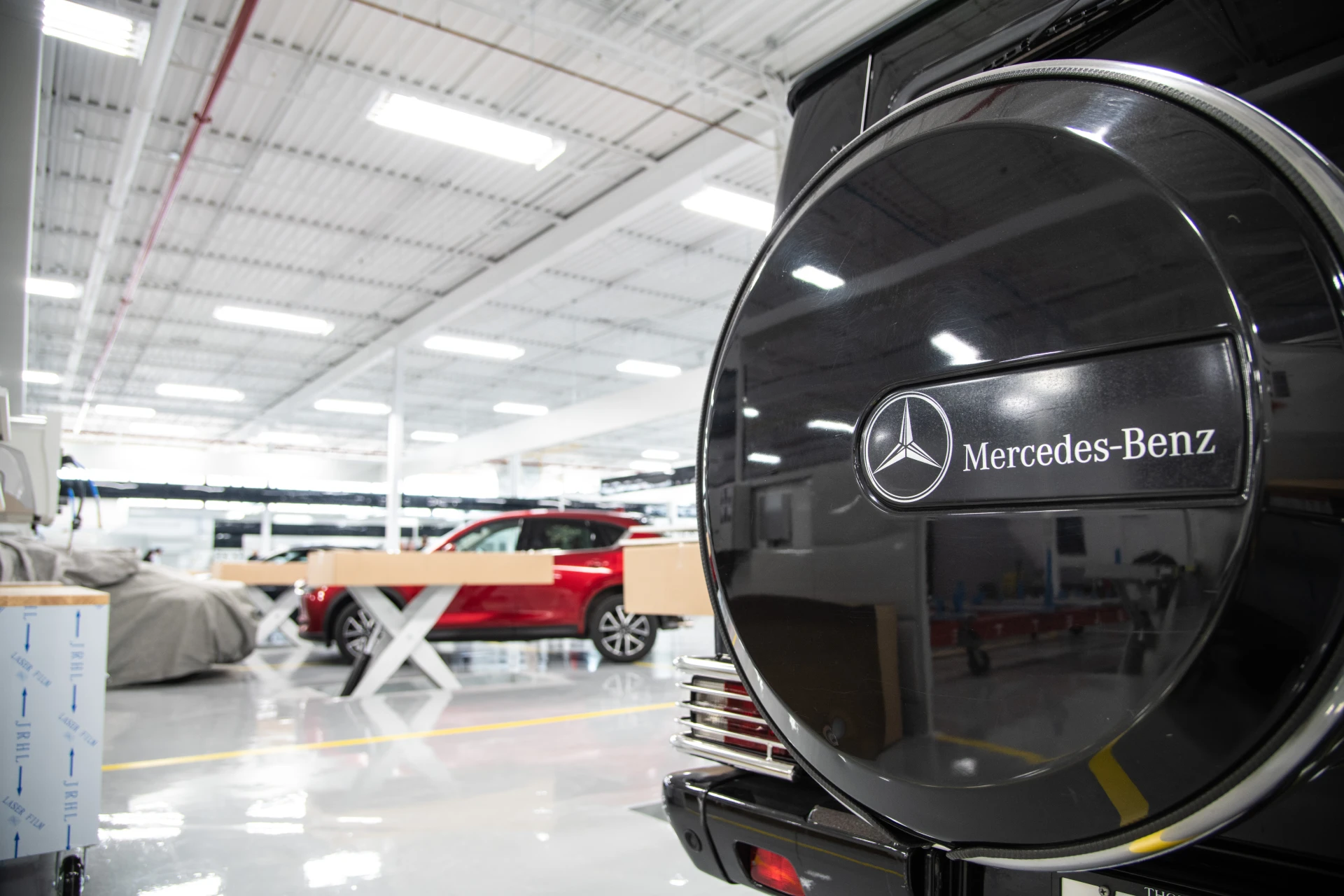
Don't take a sign at face value. Ask the shop which manufacturers it's certified for, and specifically whether it's certified for your make. Certification is brand by brand, so a shop certified for one luxury marque isn't automatically certified for another. Many manufacturers list their certified shops publicly, so you can verify the claim yourself. Our piece on what BMW certification means for repairs walks through what one brand's program involves, and the same logic applies across the others.
We hold certifications across a range of luxury and mainstream brands, and you can see the full list here. If you're not sure whether we're certified for your vehicle, ask us before you book and we'll tell you straight. On a modern car, the shop you choose decides whether the repair protects the vehicle or compromises it, and that's worth a phone call before the work starts.
.avif)