

The name BMW carries with it a legacy of engineering excellence, driving dynamics and distinctive design. For owners, these vehicles represent both personal enjoyment and significant investment. When a collision occurs, preserving the quality and performance of a BMW requires a repair process that aligns with the brand’s standards. BMW certification for collision repair facilities is a formal recognition that the shop has met stringent requirements set by the manufacturer. Understanding what this certification entails and how it benefits vehicle owners provides insight into why choosing a certified facility matters.
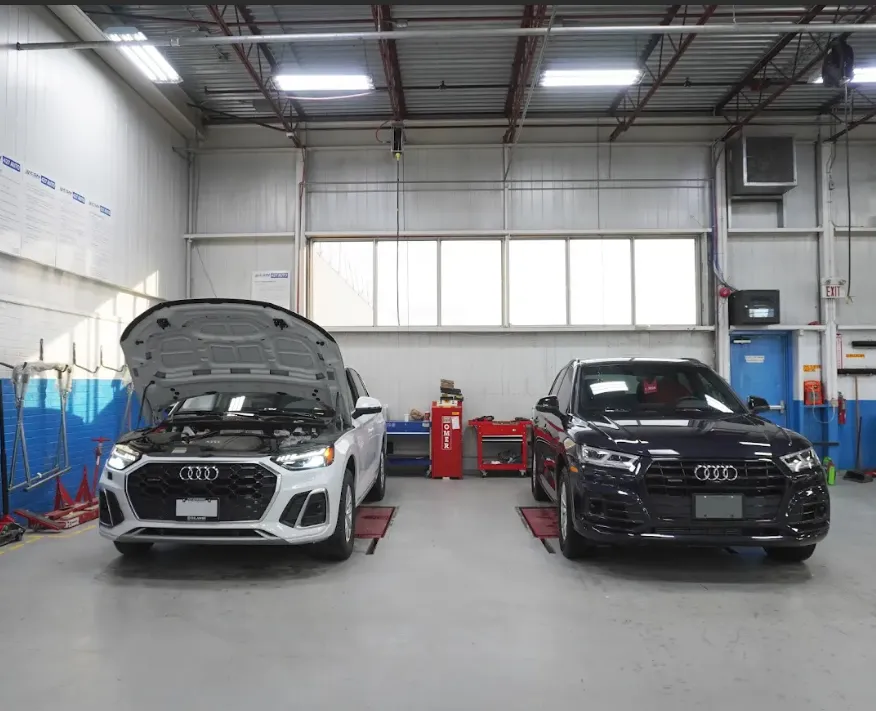
Certification begins with facility standards. BMW mandates that certified shops meet specific criteria regarding workspace cleanliness, equipment quality and safety measures. A clean, organized environment is not just a matter of appearance; dust and contaminants can affect paint finishes, and clutter can interfere with precision repairs. Certified facilities must have dedicated clean rooms for tasks such as aluminium welding, where cross‑contamination with steel could lead to corrosion. They must also maintain separate tool sets for different materials to prevent galvanic reactions, particularly when working with aluminium components.
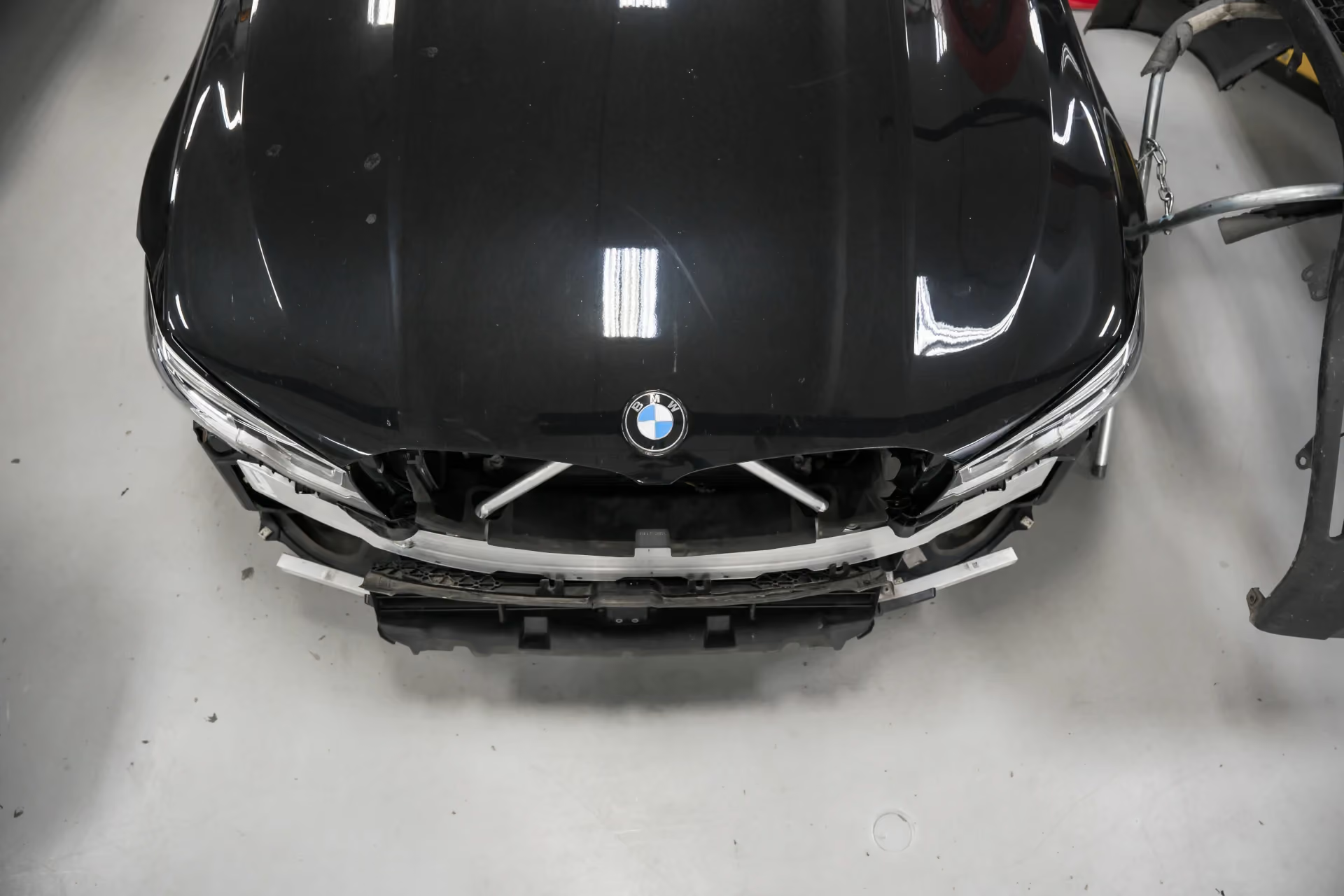
Equipment requirements are equally rigorous. BMW vehicles utilize a variety of materials, including high‑strength steel, carbon fibre reinforced plastic and aluminium. Each material demands specific repair methods and tooling. Certified facilities must invest in welding equipment capable of performing pulse MIG welding for aluminium, spot welders calibrated to BMW’s specifications and diagnostic tools compatible with BMW’s electronic systems. Frame straightening benches and measuring systems must be capable of returning structures to precise dimensions, often within millimetres. Paint booths need advanced filtration and climate control to replicate factory conditions, ensuring that refinished panels match original surfaces in colour and texture.
Technician training is at the core of certification. BMW provides extensive training programs that cover the theory and practical aspects of repairing its vehicles. Technicians learn how to identify the composition of different body panels, understand where and how to perform sectioning repairs and execute bonding and riveting techniques that align with BMW’s design philosophy. Training extends to understanding electronic systems, including the integration of advanced driver assistance features and the proper calibration of sensors. BMW requires that technicians pass exams and maintain their knowledge through regular updates as new models and technologies are introduced.
Access to proprietary repair information sets certified facilities apart. BMW publishes detailed repair manuals, technical bulletins and service procedures that are not generally available to non‑certified shops. These documents outline where structural components can be cut and replaced, what types of fasteners to use, and how to handle safety systems like airbags and seatbelt tensioners. With access to this information, technicians can follow the exact procedures that BMW engineers intended, ensuring that repairs meet factory specifications. Non‑certified shops may rely on general industry practices that, while competent, may not fully address the intricacies of a BMW’s construction.
Genuine parts usage is another cornerstone of certification. BMW requires that certified facilities use original equipment replacement parts. These parts are manufactured to the same tolerances and quality standards as the components installed at the factory. Using genuine parts ensures that body lines align correctly, that panels fit seamlessly and that electronic modules communicate properly. Aftermarket parts may not fit perfectly or may lack the same corrosion protection, potentially leading to premature failure or compromised safety. Owners who choose a certified facility can be confident that the integrity of their vehicle is maintained.
Certification also includes accountability mechanisms. BMW audits its certified facilities periodically to ensure ongoing compliance. These audits may include checks of equipment calibration, reviews of repair documentation and evaluations of completed repairs. Facilities that fail to maintain standards can lose their certification. This oversight provides assurance to vehicle owners that the shop is consistently delivering quality repairs, not just meeting standards at the time of initial certification.
From an owner’s perspective, choosing a certified facility provides tangible benefits. The repair process will align with factory standards, preserving the vehicle’s performance characteristics. Warranty implications are also important; BMW may require that repairs covered under warranty be performed at a certified facility to ensure that the work does not compromise other systems. Documentation provided by a certified facility can enhance resale value, as prospective buyers or dealers can see that repairs were performed to manufacturer specifications.
In the broader context of collision repair, certification represents a partnership between the manufacturer and the repair facility. It acknowledges that modern vehicles are complex systems where structural, mechanical and electronic components are tightly integrated. Repairs that do not follow manufacturer guidelines risk compromising safety features, altering crash energy paths or causing electronic malfunctions. A certified facility serves as an extension of the manufacturer’s commitment to quality, giving owners a path to restore their vehicles to pre‑loss condition with confidence.