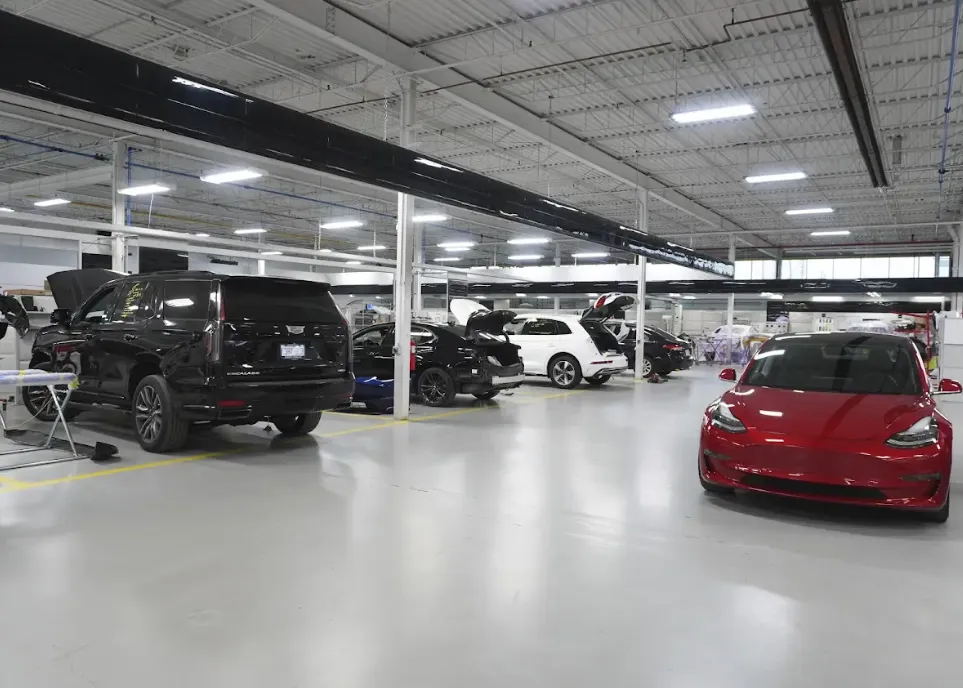
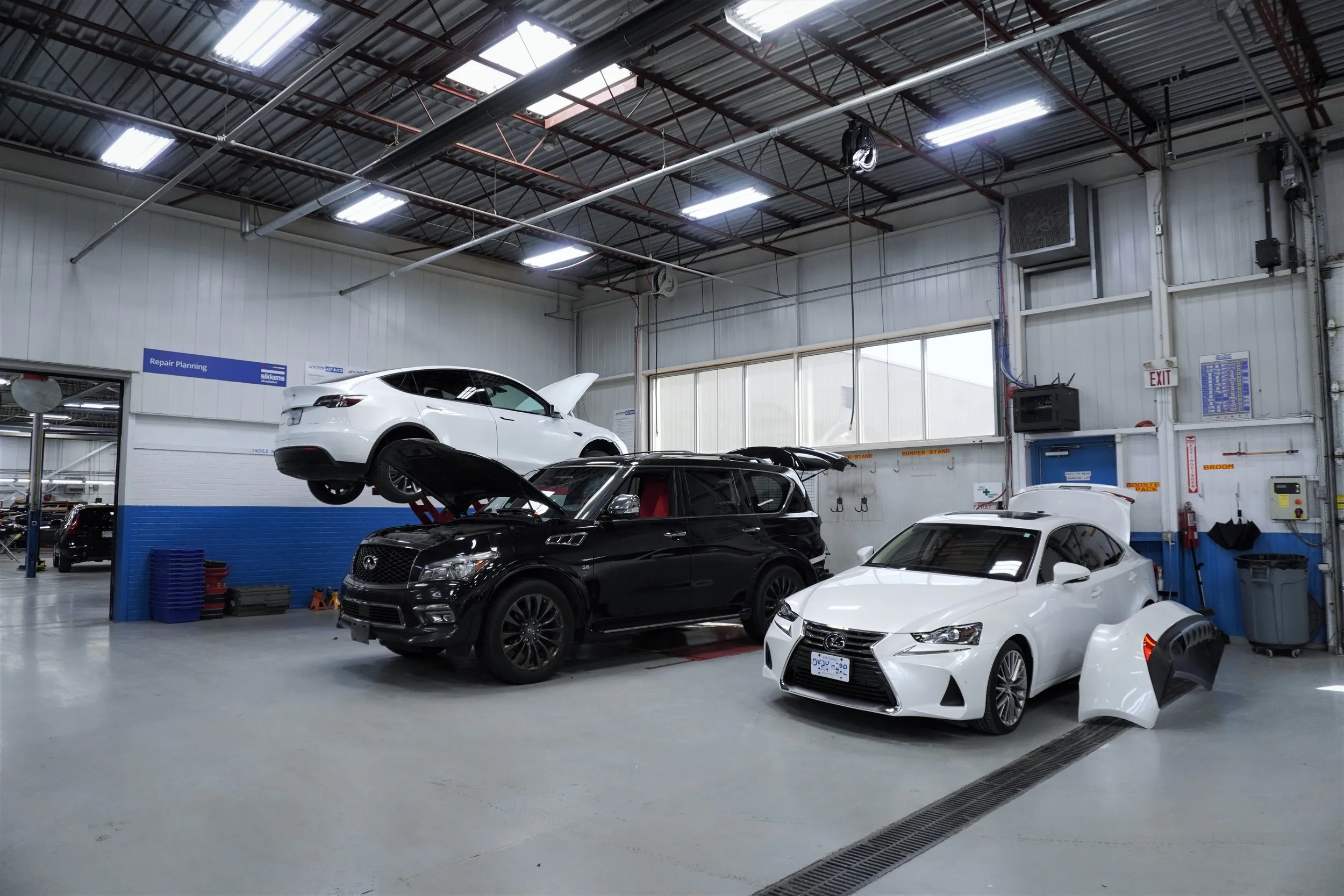
Leasing a luxury car comes with a moment most people don't think about until it arrives: the return inspection. The leasing company goes over the vehicle, notes anything beyond normal wear, and bills you for it. If you've had a collision during the lease, how the repair was handled has a direct effect on how that inspection goes, and getting it wrong can cost real money.
Normal wear versus chargeable damage
Every lease allows for normal wear. Light scratches, small stone chips, the ordinary marks a car picks up over a few years. What gets charged is damage beyond that, and unrepaired collision damage falls squarely into the chargeable category. So does a repair that was done poorly. Leasing companies inspect closely, and a panel with mismatched paint, visible bodywork, or signs of a cut-rate fix can be flagged just as readily as the original damage. The goal isn't to hide that a repair happened. A good repair simply meets the standard the leasing company expects, so there's nothing to charge for.
Why the quality of the repair decides the bill
This is where the parts and the procedures matter. A collision repair done with manufacturer-approved parts, following the manufacturer's procedures, and finished with properly matched paint returns the car to the condition the leasing company is looking for. A repair done with cheaper parts or shortcuts might pass at a glance, but it can show up under inspection, and then you're paying the leasing company's rate to redo work you already paid for once. A certified repair, documented, protects you at return. Our repair process is built to bring a car back to manufacturer standard, which is exactly the standard a lease return is measured against, and we work with dealerships across the GTA on these cars regularly.
Handle it before the inspection, not at it
The expensive version of this is showing up to your return with damage unaddressed and letting the leasing company arrange the repair on their terms. The better version is getting the car properly repaired during the lease, by a shop you chose, so the vehicle is in good shape well before anyone inspects it. You keep control of where the work happens and what goes into it, and you walk into the return with nothing outstanding.
If you're partway through a luxury lease and you've had an accident, deal with it properly now rather than discovering the cost at return. Reach out and we'll repair the car to the standard the leasing company expects, so the inspection is a formality instead of a bill.
This article is general information, not insurance, lease, or legal advice. Check your own lease agreement for its wear-and-damage terms.