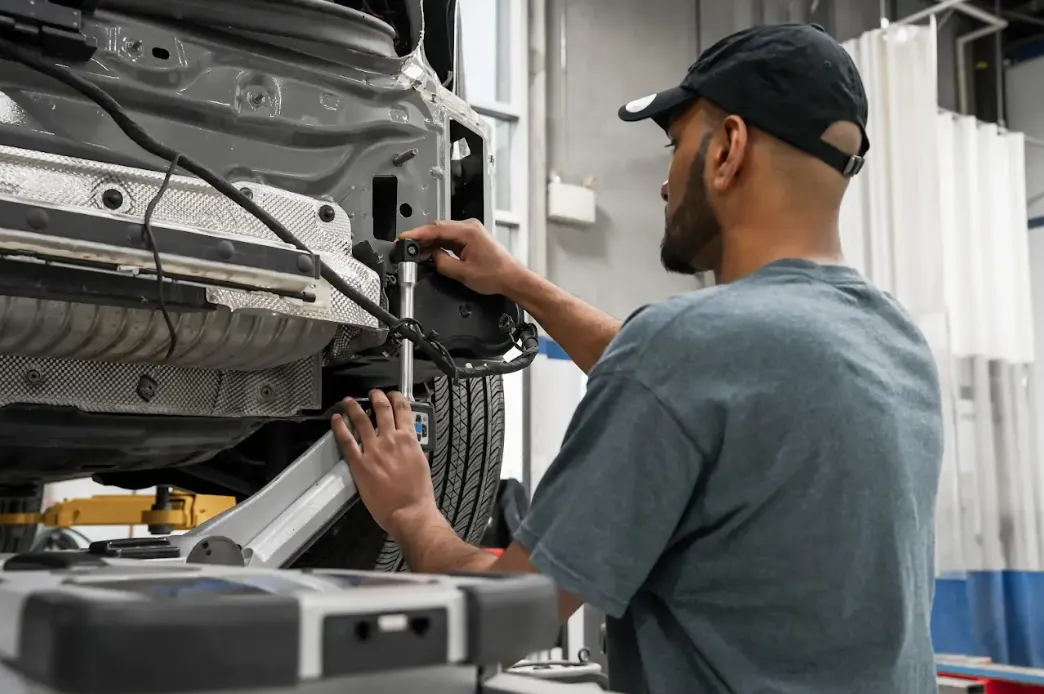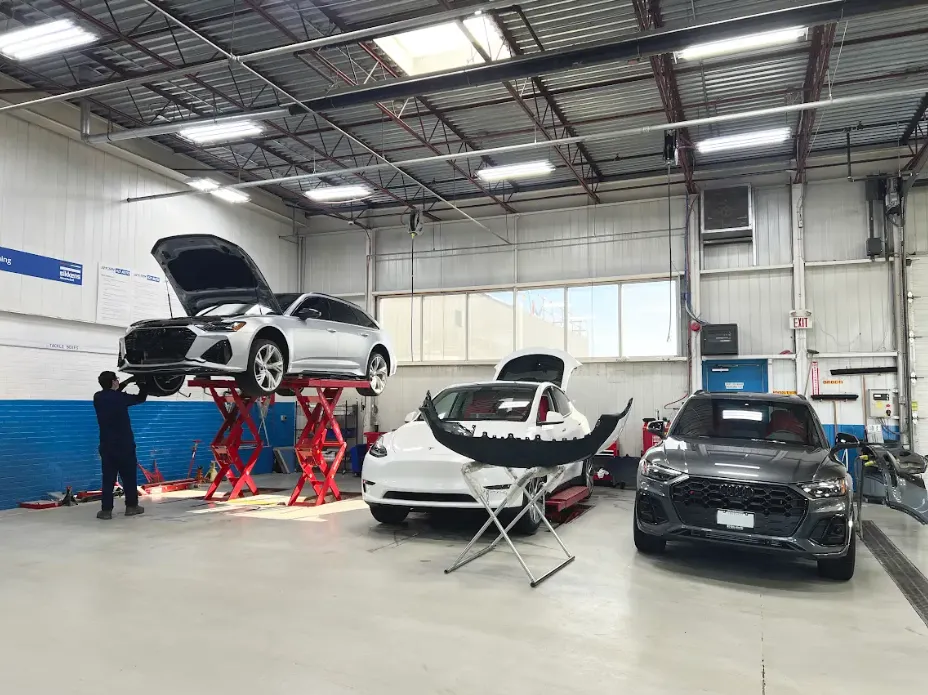



The success of a collision repair facility hinges on the skills and knowledge of its technicians. Modern vehicles incorporate advanced materials, sophisticated electronics and complex engineering, making the repair landscape vastly different from what it was a generation ago. Recognising this, CSN 427 invests heavily in training and apprenticeship programmes to ensure that its technicians are equipped to meet the challenges of today’s and tomorrow’s vehicles. These programmes not only uphold repair quality but also create pathways for the next generation of craftsmen and women.
An apprenticeship at CSN 427 typically begins with foundational training. New apprentices learn the basics of vehicle construction, safety protocols and repair terminology. They study how different metals and composites behave under stress, the function of structural components and the principles of crash energy management. Classroom instruction is complemented by hands‑on experience, where apprentices learn to identify damage, disassemble and reassemble vehicle components and use measuring tools to assess structural integrity. Early tasks may include replacing bolt‑on parts, preparing panels for paint and assisting with simple repairs under the guidance of experienced technicians.
As apprentices progress, they delve into specialised areas. Welding is a fundamental skill in collision repair, and CSN 427 ensures that apprentices become proficient in various welding techniques. They learn how to operate MIG welders for mild steel, pulsed MIG and TIG welders for aluminium and how to use spot welders for factory‑style welds. They also practise bonding and riveting techniques used in modern vehicle construction. Apprenticeships include certification opportunities, where apprentices demonstrate their proficiency and earn credentials that are recognised across the industry.
Electronics have become integral to vehicle operation, and apprentices must be comfortable working with them. Training covers the use of diagnostic tools to read fault codes, understand sensor data and programme control modules. They learn how to calibrate ADAS sensors, perform software updates and troubleshoot electrical issues. Because electronics can affect everything from engine performance to safety systems, apprentices gain an appreciation for how their repairs influence the vehicle’s overall functionality. Structured lessons on wiring diagrams and electrical safety provide a foundation for these skills.
Another core component of training is refinishing. Achieving a flawless paint finish requires attention to detail and mastery of multiple steps. Apprentices learn about surface preparation, the application of primer, base coats and clear coats, and the techniques of blending and polishing. They gain experience using spray guns, understanding paint chemistry and adjusting to environmental conditions in spray booths. This training not only develops technical ability but also instils pride in craftsmanship, as a well‑finished vehicle reflects the quality of the entire repair.
Throughout the apprenticeship, mentorship plays a central role. Seasoned technicians take apprentices under their wing, offering guidance, constructive feedback and real‑world insights. They share their experiences about common repair challenges, time management, communication with customers and problem‑solving. Apprentices are encouraged to ask questions, observe different techniques and develop their own approach within the framework of best practices. This mentor‑apprentice relationship fosters a collaborative environment where knowledge is passed down and improved upon.
Continued education does not end with the completion of an apprenticeship. CSN 427 offers ongoing training to all technicians to keep pace with advancements in vehicle design and repair technology. Workshops and seminars cover topics such as repairing electric vehicles, calibrating new ADAS systems, handling new composite materials and integrating digital tools into the repair process. Manufacturers often host training sessions to introduce technicians to the nuances of new models and to update them on revised repair procedures. Participation in these programmes ensures that technicians’ skills remain relevant and that the facility can handle a broad range of vehicles with confidence.
Beyond technical training, apprentices and technicians learn about the business aspects of collision repair. They study estimating, insurance processes and customer service. Understanding how to communicate with vehicle owners, explain repair procedures and navigate insurance claims adds value to the technician’s skill set. Empathy and clear communication help build trust and satisfaction. Training on time management and workflow efficiency ensures that repairs are completed within promised timelines without sacrificing quality.
Building a pipeline of skilled technicians requires nurturing interest among young people. CSN 427 participates in outreach programs to high schools, trade schools and community groups, demonstrating the rewarding career opportunities in collision repair. Facility tours, hands‑on workshops and co‑operative education placements allow students to experience the work first‑hand. By demystifying the trade and showcasing the blend of technology and craftsmanship, these programmes attract new talent and ensure the longevity of the industry.
Investing in training and apprenticeships is a strategic decision with long‑term benefits. Skilled technicians perform repairs correctly the first time, reducing rework and ensuring customer satisfaction. They adapt more readily to new technology, keeping the facility competitive as vehicles evolve. Apprenticeships also promote a culture of continuous learning and improvement. For CSN 427, supporting the growth and development of its staff is integral to delivering safe, reliable and high‑quality repairs.