

Advanced driver‑assistance systems, often abbreviated as ADAS, have evolved rapidly over the past decade. Once considered futuristic, features like adaptive cruise control, automatic emergency braking and lane‑keeping assistance are now commonplace. These systems rely on an array of sensors—cameras mounted behind the windshield, radar units hidden in bumpers, ultrasonic sensors along bumpers and sometimes lidar equipment. Together, these sensors build a digital picture of the vehicle’s surroundings and feed data to onboard computers that make split‑second decisions. Understanding what happens to these systems after a collision and why calibration is critical requires delving into how they work, how they interact with each other and how they must be maintained.
A collision, even a minor one, can have a profound effect on the alignment and functionality of ADAS components. Modern cars are engineered with precision; the cameras that read lane markings are set at specific heights and angles, and radar units must be pointed precisely to detect objects at certain distances. A jolt that seems trivial to a driver can nudge a sensor out of alignment. Imagine a forward‑facing radar unit that has shifted by only a few degrees—it may then interpret vehicles in adjacent lanes as direct obstacles or, worse, fail to see a slow‑moving truck directly ahead. Misaligned sensors can lead to false alarms, unexpected braking or, in the absence of warnings, accidents that could have been avoided.
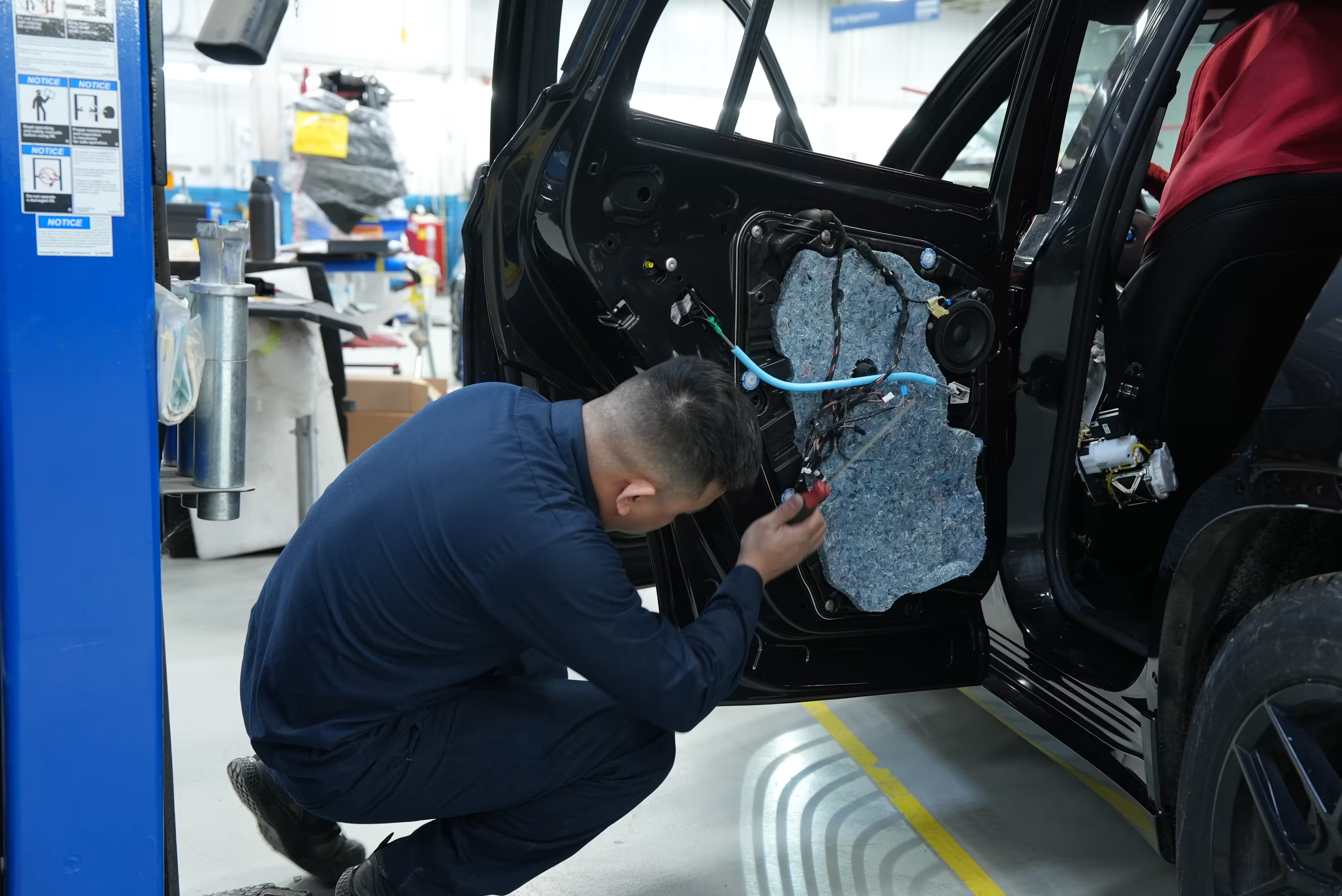
When a vehicle equipped with ADAS is involved in a collision, a thorough evaluation is the first step. Technicians start with a visual inspection, looking for obvious damage to body panels and sensor mounts. They pay attention to cracked windshields where cameras may be located and to bumpers where radar units are often hidden behind plastic covers. Even if the exterior seems unscathed, internal brackets and wiring harnesses could have been jarred loose. The vehicle’s diagnostic port allows technicians to pull stored fault codes, which can indicate issues with specific sensors. However, clearing fault codes does not fix misalignment. A comprehensive approach requires physical measurement and recalibration.
Diagnostic scanning tools read data from the vehicle’s electronic control units, or ECUs. These units manage everything from engine performance to airbag deployment. When ADAS sensors detect anomalies—such as blocked cameras or unresponsive radar units—the ECUs log these events. Technicians use scan tools to read these logs and determine whether sensors are communicating properly. Beyond identifying faulty communication, the scan can reveal if a sensor has been disabled due to an earlier error or if its software needs updating. Manufacturers regularly release software updates to improve sensor interpretation and to add new functionality, so ensuring that the software is current is part of the process.
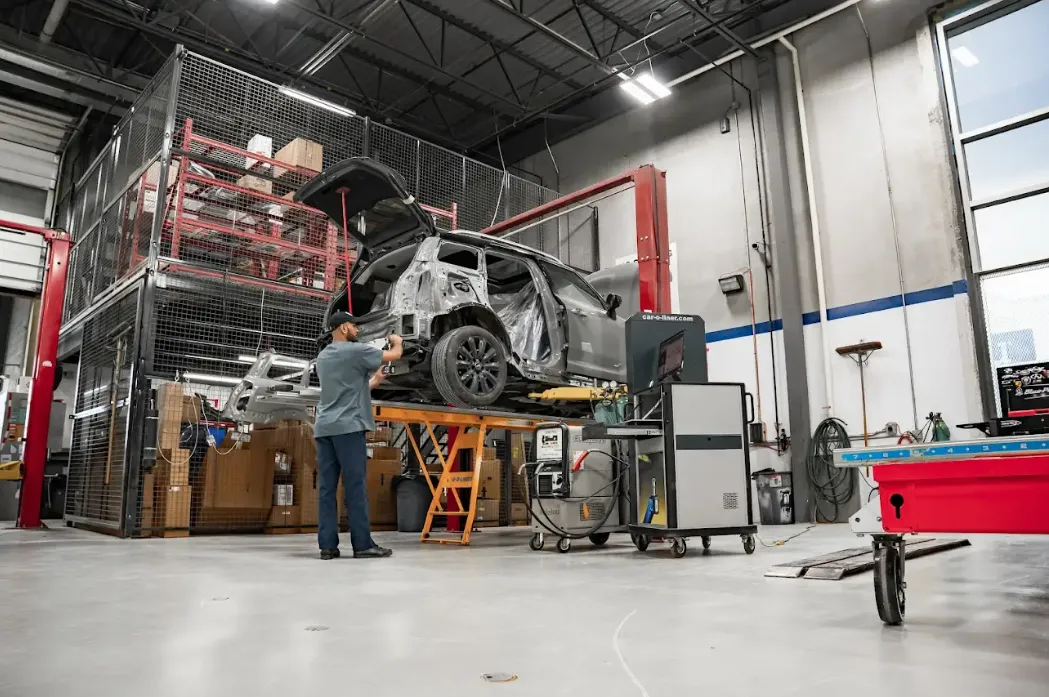
Once the vehicle has been assessed and any structural repairs are complete, calibration can begin. Calibration is essentially a precise alignment procedure. For example, a forward‑facing camera needs to point at the exact horizon line specified by the manufacturer. To achieve this, the car is placed on a level surface, free from obstructions. Technicians set up calibration targets—large boards with patterns designed to provide reference points for cameras and sensors. These targets must be placed at specific distances and angles relative to the vehicle. For radar units, reflective stands are used to simulate objects at known distances. The calibration equipment communicates with the vehicle’s ADAS modules and prompts the sensors to recognise the targets.
Static calibration, which happens in a controlled environment, is only part of the process. Many vehicles also require dynamic calibration. During dynamic calibration, the vehicle is driven at a constant speed on a straight, well‑marked road. This allows the sensors to observe real‑world conditions and adjust their reference points. Some systems rely exclusively on dynamic calibration, while others use a combination of static and dynamic procedures. The specific approach depends on the manufacturer and the type of sensors involved. For instance, certain systems may calibrate a front camera statically in the shop and then perform a dynamic calibration for radar units on the road.
After calibration, a post‑repair scan ensures that the calibration was successful. Technicians review the scan data to confirm that each sensor is online and reporting correct values. They verify that no fault codes are present and that the system self‑tests are within the manufacturer’s specified parameters. A road test might follow, not only to validate the calibration but also to ensure that the vehicle drives normally. A properly calibrated lane‑keeping system should gently steer the car within lane markings without abrupt corrections. Adaptive cruise control should maintain a safe following distance, accelerating and braking smoothly as traffic flows.
The importance of documenting calibration cannot be overstated. Collision repair is highly regulated, and records are essential for multiple reasons. First, documentation serves as proof that the vehicle has been returned to manufacturer specifications. This is critical for warranty coverage and for any potential resale of the vehicle. Second, insurers may require documentation to confirm that repairs were done correctly and that the ADAS systems are functioning. Finally, proper records protect the repair facility and technicians should a claim arise in the future; they can demonstrate that they followed prescribed procedures.
Calibration is not a service that can be skipped or performed by guesswork. The precise nature of sensor alignment means that even a fraction of a degree can make the difference between correct functioning and dangerous malfunction. As ADAS features continue to evolve—incorporating technologies like machine learning, object recognition and vehicle‑to‑vehicle communication—the complexity of calibration will grow. Repair facilities must keep pace by investing in up‑to‑date equipment, training technicians and maintaining relationships with vehicle manufacturers to access the latest procedures. For vehicle owners, understanding the necessity of calibration after any collision, no matter how minor, is paramount for maintaining safety on the road.