

The Mercedes‑Benz Sprinter and Metris vans have become synonymous with versatility and reliability. They serve as delivery vans, shuttle buses, mobile workshops and recreational vehicles. The brand’s reputation for engineering excellence extends from luxury sedans to these commercial vehicles, which incorporate advanced safety technologies and efficient drivetrains. When a collision occurs, repairing a Mercedes‑Benz van requires a nuanced approach that addresses both the commercial demands of the vehicle and the high standards set by the manufacturer.
At the heart of Mercedes‑Benz van design is a focus on durability and safety. The structure combines high‑strength steel with aluminium and, in some models, composite materials. This mix reduces weight while maintaining rigidity. Consequently, repair techniques must respect the metallurgical properties of each component. High‑strength steel sections cannot be heated to reshape them without risking structural integrity. Instead, technicians must remove and replace damaged sections using manufacturer‑specified cut locations and welding methods. Aluminium panels often require bonding and riveting rather than traditional welding, as excessive heat can weaken the metal.
Mercedes‑Benz equips its vans with an array of safety and convenience technologies. Collision prevention assist, lane‑keeping assist and blind‑spot monitoring are among the standard or optional features. These systems rely on radar units in the bumpers, cameras in the windshield and ultrasonic sensors around the vehicle. After a collision, technicians must inspect these sensors for physical damage and ensure that they are still aligned correctly. This may involve replacing brackets, recalibrating cameras and resetting radar units. Because the systems are integrated with vehicle dynamics controls such as brake assist and stability control, calibration must be performed meticulously to ensure seamless operation.
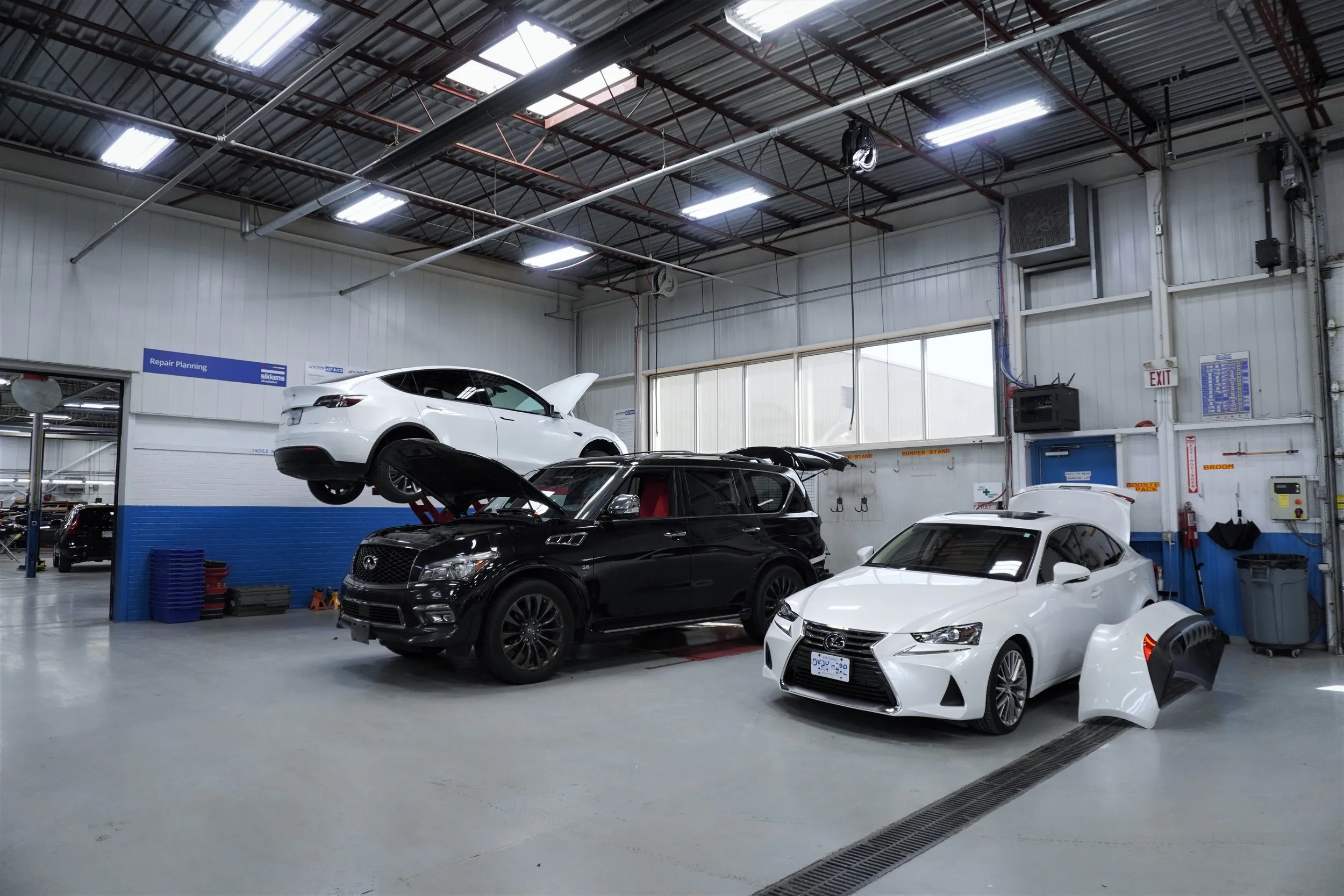
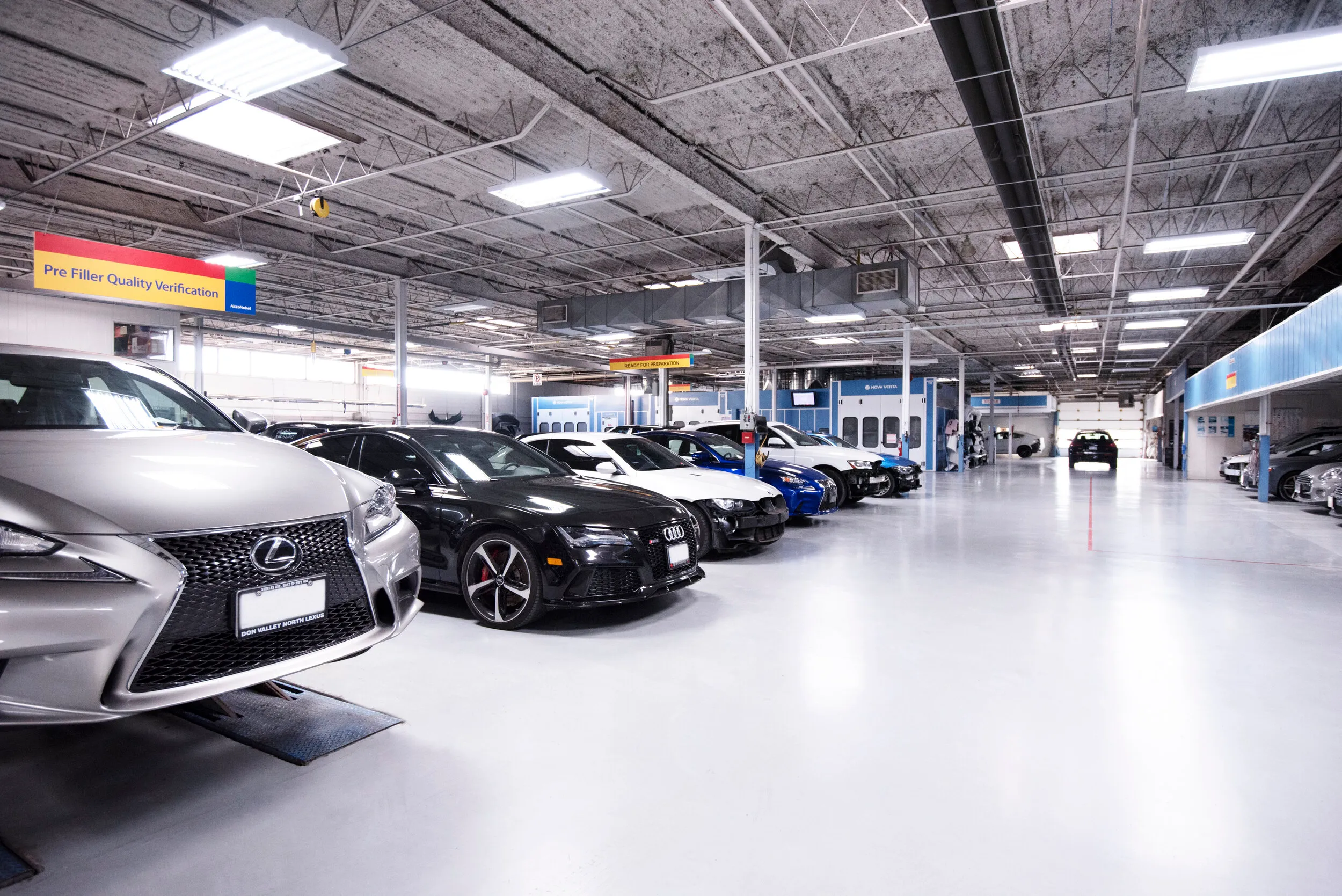
The high roof and long wheelbase of many Mercedes‑Benz vans present practical challenges for repair facilities. Painting a tall roof requires paint booths with sufficient height and proper ventilation to avoid overspray and ensure even coverage. Aligning a long wheelbase vehicle demands frame benches and alignment racks capable of handling the extended length. Some facilities invest in mobile column lifts that can adjust to various wheelbases, making it easier to lift the vehicle and perform undercarriage repairs. Without such equipment, technicians may struggle to achieve the precision required for safety and performance.
Commercial use means that these vans are rarely idle for long. When a collision takes a van out of service, the owner or fleet manager faces immediate financial pressure. Repair facilities must balance the need for speed with the requirement for quality. An efficient workflow includes rapid assessment of damage, prompt ordering of genuine parts and coordination with Mercedes‑Benz parts suppliers. Some facilities maintain an inventory of common replacement parts to reduce wait times. Communication with the owner about repair timelines, potential delays and the scope of work is essential to manage expectations and minimise disruption.
Beyond the mechanical and structural aspects, Mercedes‑Benz vans often have customised interiors. Delivery vans may have shelving systems and cargo barriers; passenger vans may include seating, climate control and entertainment systems. Recreational conversions can feature kitchens, beds and bathrooms. After a collision, the interior may require as much attention as the exterior. Repairing or replacing customised fittings involves working with specialty suppliers and occasionally replicating bespoke installations. Maintaining the functionality of these installations and ensuring that they remain secure during operation is as important as repairing the vehicle’s body.
The drivetrain systems in Mercedes‑Benz vans range from efficient diesel engines to electric powertrains in some markets. Electric variants add another layer of complexity to repairs. High‑voltage systems must be de‑energised, and components must be inspected for damage. The battery pack, often mounted under the floor, must remain intact to avoid electrical hazards. Cooling systems for batteries and motors need to be checked for leaks or blockages. Technicians working on these systems require specific training and personal protective equipment to ensure safety during repairs.
Ultimately, repairing a Mercedes‑Benz van is about respecting both the craftsmanship of the manufacturer and the practical demands of the owner. It requires a facility that can handle the physical size of the vehicle, understands the interplay of high‑strength materials, calibrates sophisticated safety systems and manages customised interiors. When these factors come together, the result is a repair that restores functionality, safety and durability, allowing the van to return to service reliably.